When to Recommend a Lymphedema Pump: Clinical Indicators, Conservative Therapy, and E0651/E0652 Explained

Lymphedema is a chronic, progressive condition that can dramatically impact mobility, comfort, and overall quality of life. While conservative therapy should always be the first line of treatment, many patients eventually need additional support to control swelling and prevent complications. That’s where pneumatic compression devices (PCDs) — commonly known as lymphedema pumps — come into play.
If you’re a clinician evaluating when to recommend a pump, this guide breaks down the clinical indicators, documentation requirements, and Medicare distinctions between E0651 and E0652 devices. As always, NextGen Medical Supplies is here to help patients access the equipment they need with confidence and clarity.
Why Lymphedema Pumps Matter in Clinical Care
Lymphedema pumps help move excess lymphatic fluid out of the affected limb using timed, sequential compression. For many patients, especially those with chronic or worsening symptoms, pumps can:
- Reduce limb swelling
- Improve mobility and function
- Decrease infection risk
- Slow or prevent disease progression
- Enhance quality of life
With Medicare’s expanded coverage under the Lymphedema Treatment Act, more patients now have access to effective home-based therapy, making it essential for clinicians to understand when a pump is medically appropriate.
When to Recommend a Lymphedema Pump: Key Clinical Indicators
A pneumatic compression device may be appropriate when all the following are documented:
1. Chronic, Diagnosed Lymphedema
Your patient must have a confirmed lymphedema diagnosis — either primary or secondary — following cancer treatment, surgery, trauma, or infection.
2. Persistent Swelling Despite Conservative Therapy
Medicare requires evidence that standard therapy has been attempted.
This often includes:
- Compression garments
- Exercise
- Elevation
- Manual lymphatic drainage (MLD)
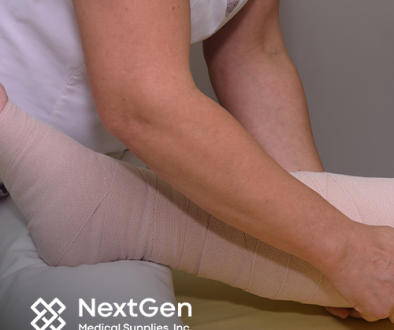
- Skin care under Complete Decongestive Therapy (CDT)
If swelling, discomfort, or functional limitations persist despite the appropriate use of these methods, a lymphedema pump becomes clinically indicated.
3. Moderate to Severe Symptoms Affecting Function
Providers should document:
- Limb heaviness
- Pain or pressure
- Fibrotic tissue changes
- Reduced range of motion
- Mobility limitations
- Recurrent skin infections (e.g., cellulitis)
These factors help establish medical necessity.
4. A Clear Goal of Improving Home-Based Treatment
Pumps are especially beneficial when the patient:
- Cannot access MLD consistently
- Requires more frequent decongestion than outpatient therapy can provide
- Needs improved daily symptom control
- Is at risk for disease progression without additional support
The Role of Conservative Therapy Before Pump Recommendation
Medicare and most commercial insurers require patients to attempt conservative therapy before receiving a pneumatic compression device. This does not mean the patient must fail therapy, but rather that conservative treatment alone is not adequately controlling symptoms.
When documenting conservative therapy, include:
- Types of garments used and compression class
- Frequency of elevation or exercise
- MLD therapy notes
- measured limb circumference or volume changes
- Ongoing symptom reports
- Any barriers to maintaining CDT
This documentation supports medical necessity and ensures patients receive timely access to advanced equipment.
Understanding E0651 vs E0652 Devices
Medicare divides lymphedema pumps into two primary categories. Correct classification ensures appropriate treatment and smoother approval.
E0651: Standard Sequential Pneumatic Compression Device
Best for:
- Patients with uncomplicated upper or lower extremity lymphedema.
Characteristics:
- Sequential pressure cycles
- Gradient compression
- Supports moderate to severe cases
- Effective for patients without truncal involvement or significant fibrosis
When to recommend it:
Use E0651 for patients who need additional support beyond conservative therapy but do not require advanced programming or segment‑level calibration.
E0652: Advanced Programmable Compression Device
Best for:
- Patients with severe, treatment‑resistant, or complex lymphedema.
Ideal candidates include those with:
- Truncal or chest involvement
- Pelvic or abdominal swelling
- Fibrotic tissue changes
- Significant functional impairment
- Limited response to E0651‑level compression
- Coexisting conditions impacting lymphatic flow
Device capabilities:
- Highly customizable pressure settings
- Individualized chamber programming
- Adaptable treatment cycles for sensitive areas
E0652 pumps offer more precise therapy and are often essential for patients with advanced disease progression.
Documenting Medical Necessity for E0651 and E0652
Clinicians play a key role in ensuring patients receive the right device. Medicare‑aligned documentation should include:
For both device types
- Confirmed diagnosis
- Disease onset and progression
- CDT compliance and outcomes
- Limb measurements (baseline and ongoing)
- Impact on daily function
- Risk factors for worsening disease
For E0652 specifically
Include clinical notes describing:
- Fibrotic changes
- Truncal or proximal involvement
- Failure to achieve sufficient results with standard compression
- Need for individualized therapy parameters
This level of detail ensures coverage decisions reflect the patient’s full clinical picture.
How NextGen Medical Supplies Supports Clinicians and Patients
From documentation to device selection, our team simplifies the entire process. We work directly with your office to:
- Verify insurance coverage
- Assist with Medicare documentation requirements
- Identify the correct E0651 or E0652 device
- Deliver the equipment to the patient’s home
- Provide education and support for proper use
Recommending a lymphedema pump is an important step in optimizing patient care when conservative therapy isn’t enough. Understanding the clinical indicators, documenting medical necessity, and selecting the correct device (E0651 vs E0652) helps ensure patients receive effective, timely treatment.
Our goal is to remove administrative barriers so you can focus on patient care and your patients can focus on their health. If you’re looking for guidance on device selection or Medicare requirements, the experts at NextGen Medical Supplies are here to help; contact our team today.